
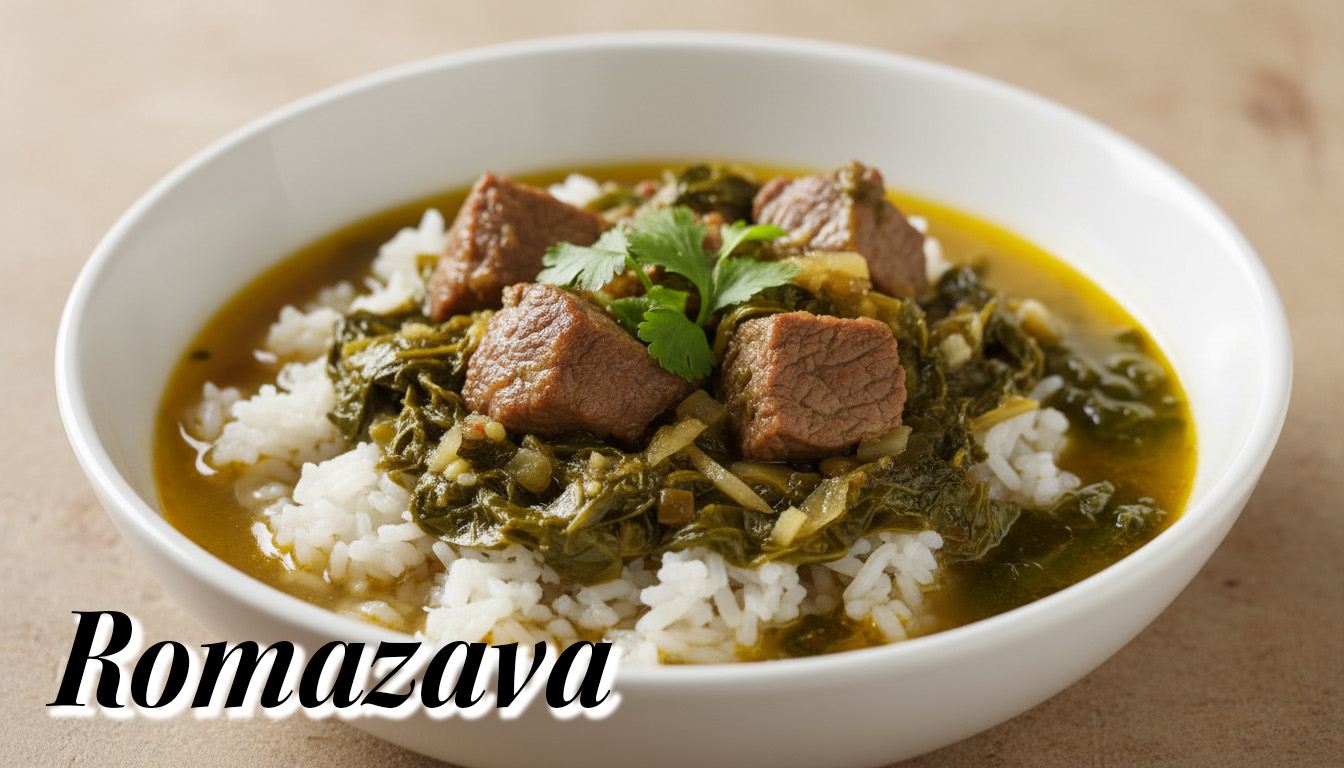
Do you know Romazava?
Romazava is a beloved national dish in Madagascar with a unique history.
Moreover, its flavor is packed with characteristics unique to Madagascar, making it perfect for experiencing a foreign culture!
This article introduces Romazava, covering everything from its history to how it's made.
Please watch until the very end!
~Notice~
This site introduces cuisines from around the world and also features songs that express those dishes.
You can also listen on YouTube and various subscription services, so please give it a listen!
We've also started accepting requests for music production!
Perfect for personal use or in-store background music!
We offer a wide range of services, from existing dishes to original creations, so feel free to place your order anytime!
Click here for our guide page!
What kind of dish is Romazava?
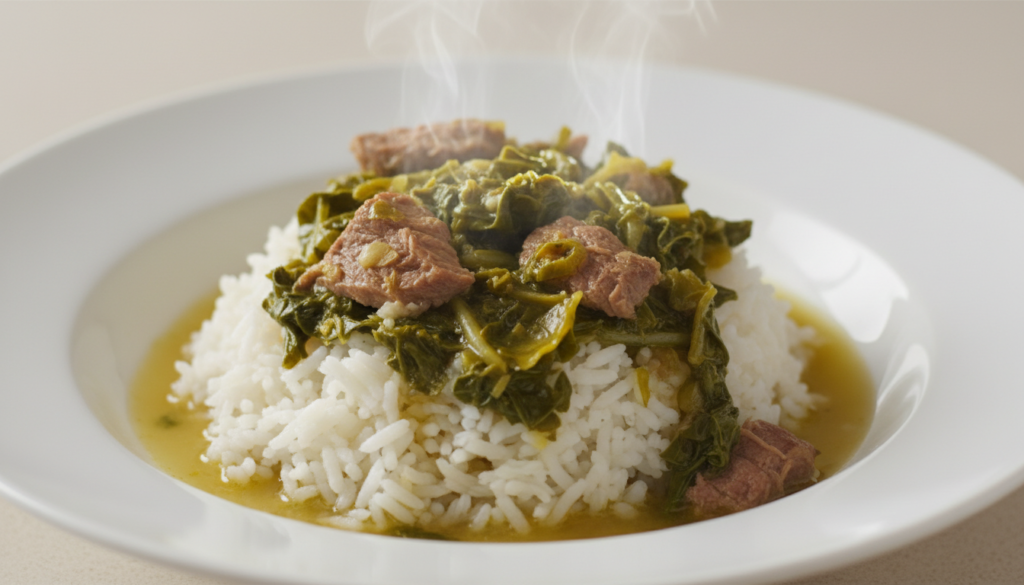
Romazava is a traditional stew that represents Madagascar.
It is commonly eaten over rice and is cherished in Madagascar as the quintessential national dish.
Romazava is written as Romazava in the alphabet.
ro carries the meaning of soup or_ broth, while mazava implies clear or_ transparent.
Therefore, as these words indicate, Romazava carries the meaning of clear soup or light broth.
By the way, broth refers to a soup made by simmering meat on the bone for several hours to extract its flavor.
Next, let's look at the ingredients that will be used.
The meat forming the core of the broth is beef, specifically Zebu (Cattle).
In addition to tomatoes and onions, vegetables used include Brède Mafana, a leafy vegetable that is also a characteristic feature of Romazava.
Brède Mafana is a unique ingredient from Madagascar, known for its characteristic tingling sensation on the tongue.
This is often used as a unique experience that occasionally causes a mild numbing sensation on the tongue or inside the mouth, or as an accent in cooking.
Romazava is characterized by its clear broth without any lingering richness, allowing the natural flavors of the ingredients to shine through.
It is also characterized by accents of stimulation, aroma, and freshness provided by Brède Mafana.
This Romazava is served with rice called Vary, which you pour over it to enjoy.
Vary is the Malagasy word for rice.
The sweetness of this farri complements the savory flavor of the soup perfectly, making it a popular staple to enjoy together.
The History of Romazava
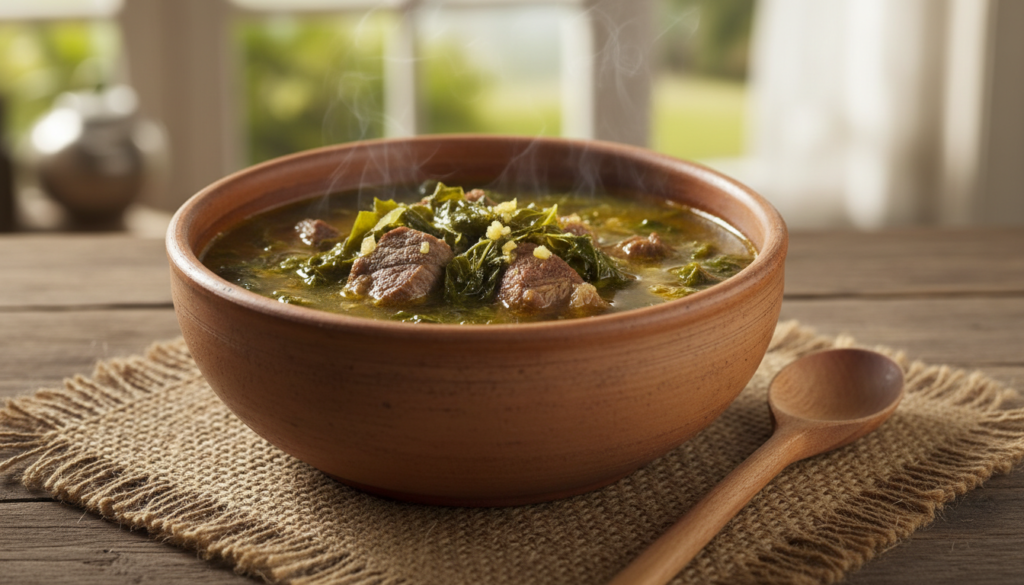
The origins of Romazava date back to around the Middle Ages.
The earliest settlers were Malay and Indonesian immigrants who introduced rice cultivation and cooking methods.
American vegetables and culture are also incorporated there.
The original form was born in such an environment: “A simple, nutritious diet of meat + leafy vegetables + water.”
It could also be called a byproduct of the history of ethnic migration.
Later, during the 17th-century Merina Kingdom era, it became a dish served at the royal court.
According to the records, it was originally the leftover broth from a rice dish containing leafy vegetables, to which water and salt were added to create a form closer to what we have today.
The king at that time enjoyed the dish so much that he designated it as one of the “Seven Royal Palace Dishes,” exclusive to the royal family.
It is a rare historical tale of how something that was merely leftovers was elevated to royal cuisine.
Even during the Sakalava Kingdom era of the 18th and 19th centuries, this dish was served as royal cuisine.
At the same time, the cobus (Zebu) became central to the economy and livestock, and began to be used in cooking.
Later, Romazava spread from royal cuisine to ordinary households over time.
Regional variations of the recipe, featuring ingredients specific to each area, also made an appearance here.
And in modern times, it has become Madagascar's national dish.
Despite colonization and trade, the basic composition of meat + vegetables has remained unchanged.
After undergoing various historical changes, it has become widely enjoyed in everything from ordinary households to restaurants.
Romazava Trivia & Fun Facts
① It's a “national dish,” but there's no set recipe.
Romazava is a representative home-style dish of Madagascar, but there is no set way to make it.
The ingredients vary by household, region, and season, with beef, pork, chicken, fish, and other meats freely used.
Especially in rural areas, it's often considered “a dish made with whatever ingredients are available that day,” and even dishes with the same name can have completely different flavors.
② “Valued as a gentle dish for the body”
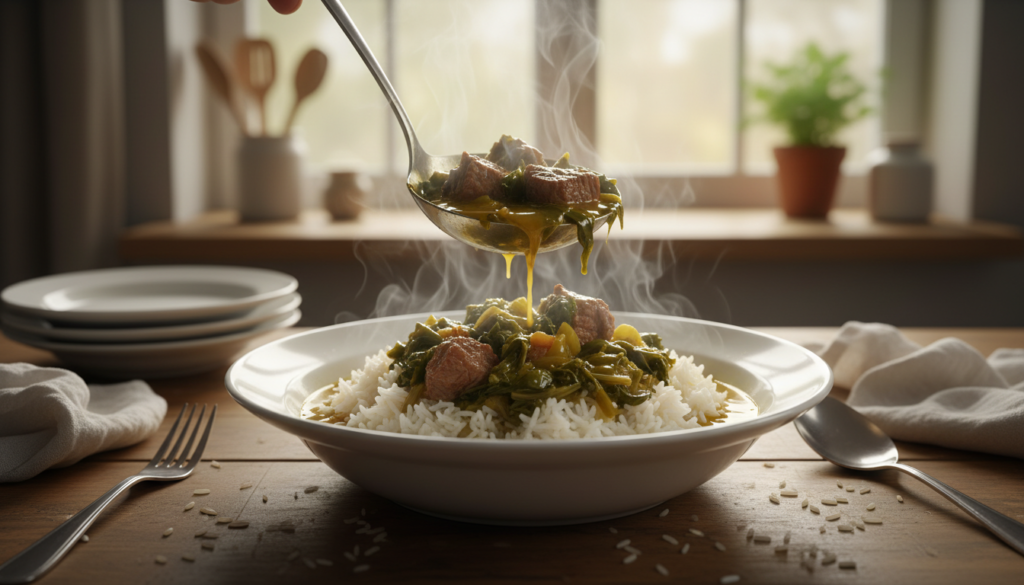
Since it's a soup that's not greasy and focuses on saltiness,
- When you're sick
- When you have no appetite
- Children and the elderly
It also serves as a recovery food.
Therefore, in Madagascar, there seems to be a sense that “When you're feeling under the weather, take Romazava.”
③ Made with the premise that it tastes good even when cold
Romazava is actually a dish meant to be made ahead, and locally it's common to eat it cold or_ at room temperature.
Some people and households actually find that letting it sit overnight brings out more richness and umami, making it tastier.
Additionally, the hot climate is also considered to be influenced by a culture of enhancing preservation through salt and_ heat.
④ Over 100 varieties of leafy vegetables may be used.
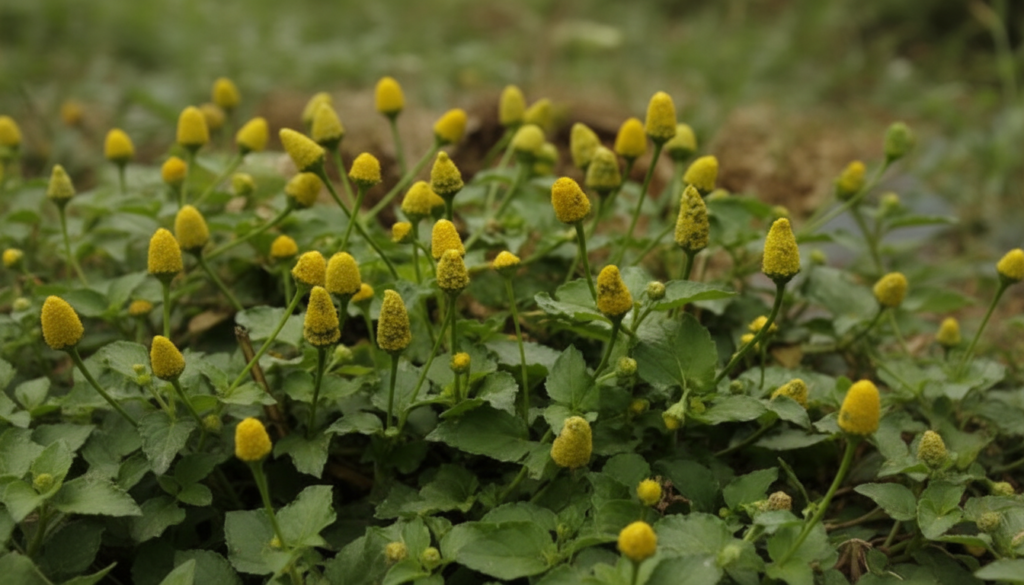
While I explained that Romazava uses Brède Mafana, it also incorporates various other leafy greens.
The types vary by region, and it is said that there are over 100 varieties.
This is also why there is no set recipe for Romazava, and why Romazava is closer to being the name of a cooking method.
⑤ Meat portions increase during celebrations
Romazava usually eats less meat.
- Festival
- Wedding Ceremony
- Banquet
Now, a hearty Romazava with plenty of meat will be served.
The base is beef, but we also use plenty of chicken and pork, and bless them.
The reason for this is the belief that “the amount of meat = the level of hospitality.”
Romazava Recipe
Ingredients (Serves 3–4)
- Beef (for stewing)… 400g
- Water … 1.5L
- Salt … 1 to 1.5 teaspoons
- Onion … 1
- Garlic … 2 cloves
- Ginger … 15g
- Leafy greens … approximately 300g total
Brède Mafana (if available)
Spinach
Komatsuna
Shungiku, etc.
If you don't have Brède Mafana, watercress and arugula or other mildly spicy greens will give a similar flavor profile.
How to make them
① Parboil the meat
Place the beef, water, and salt in a pot and simmer over medium heat.
Once it comes to a boil, reduce the heat to low and simmer for 40 to 60 minutes.
→ Simmer while skimming off the scum until tender.
The guideline is a softness where chopsticks slide in easily.
② Add aromatic vegetables
Finely chopped,
- Onion
- Garlic
- Ginger
Add and simmer for another 10 minutes.
Traditional Romazava does not stir-fry in oil.
③ Add leafy greens
Add the chopped leaves last and_ simmer for only 3 to 5 minutes.
Overcooking causes the leaves to lose their color and aroma.
④ Finishing
Season with salt to taste and serve.
Points
① Key points for achieving an authentic feel:
- No oil used
- No spices
- Seasoning is primarily salt-based
Common mistakes include adding too much seasoning.
② Eat it with rice, which is considered an almost essential accompaniment locally.
③ The following are signs of failure.
- Cloudy → Too high heat
- Bitter → Overcooked leafy greens
Summary
How was it?
This time, we introduced Madagascar's national dish, Romazava!
The soup, which lets you savor the natural flavors of the ingredients, pairs perfectly with rice. For us Japanese, whose staple food is rice, isn't this dish just right?
Not only was the dish itself delicious, but its history was fascinating too, so I think it made the culinary experience even more enjoyable and memorable.
Please try making and eating Romazava at home!
Thank you for watching until the end.
Feel free to check out our other articles too!
Comments