

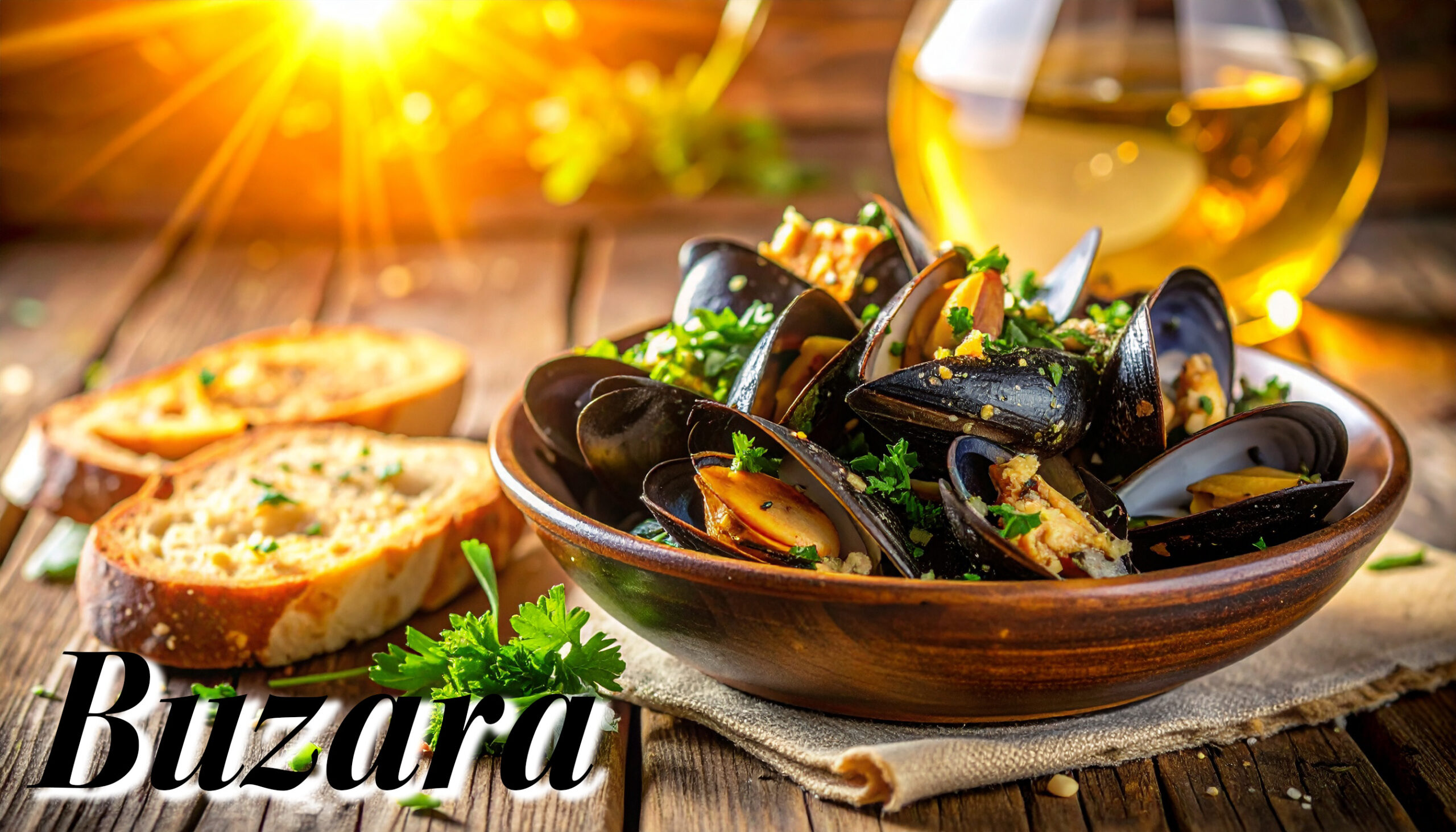
Have you heard of buzara?
Buzara is a beloved seafood dish along the Adriatic coast!
The rich flavors of the sea and olive oil blend together, creating a luxurious Mediterranean taste that's truly captivating!
This time, we'll introduce the origins and how to make such buzara.
Please enjoy it all the way to the end!
What is Buzara?
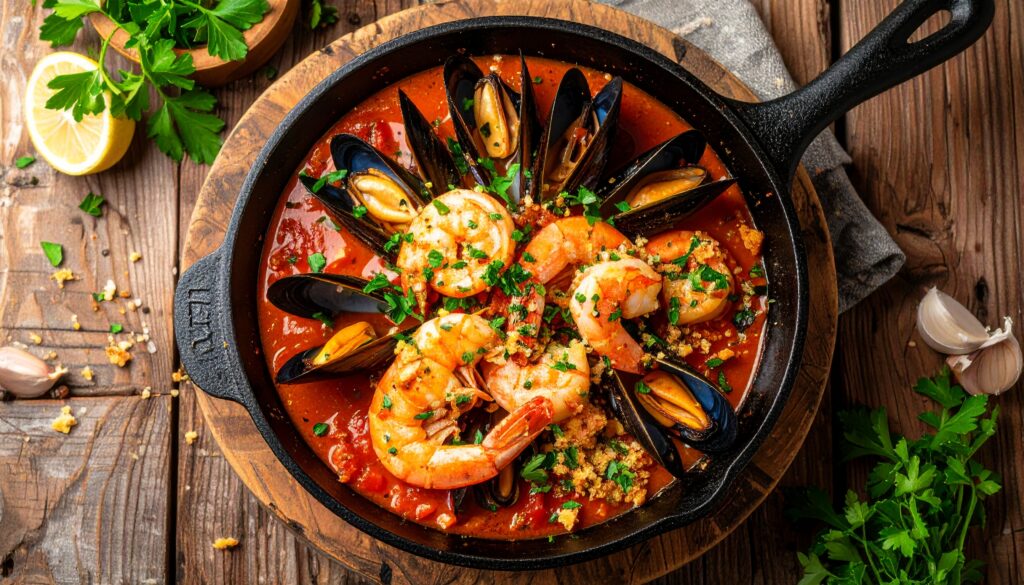
Buzara is a seafood dish made by simmering shrimp, mussels, and other shellfish together with olive oil, white wine, garlic, tomatoes, herbs, and other ingredients.
Popular in coastal regions such as Croatia, Montenegro, and Slovenia, its greatest appeal lies in the fresh, savory flavor of seafood unique to coastal areas.
The name Buzara means “stew” or “stir-fry” in Croatian.
Buzara is a fragrant and deeply flavorful seafood stew that makes the most of the bounty of the sea.
And its taste and flavor have several layers.
The core flavors are fourfold: “the richness of olive oil,” “the acidity of white wine,” “the umami of seafood,” and “the aroma of garlic and herbs.”
Together, these elements create the balanced flavor unique to the Mediterranean.
First, olive oil.
It adds a mellow, rich depth and imparts an enveloping softness throughout.
Next, white wine.
The pleasant acidity and vibrant aroma enhance the savory flavor of seafood.
The soup is infused with the natural saltiness and umami from the shrimp and shellfish.
Adding garlic and parsley at the end lends depth to the aroma and forms the core of the Mediterranean flavor.
Additionally, buzara comes in two types: “red buzara (crvena buzara)” which uses tomatoes, and “white buzara (bijela buzara)” which does not use tomatoes.
The standard way to enjoy either is to dip bread into the soup, and the harmony between the aroma of olive oil and the seafood broth is truly outstanding.
The History of Buzara
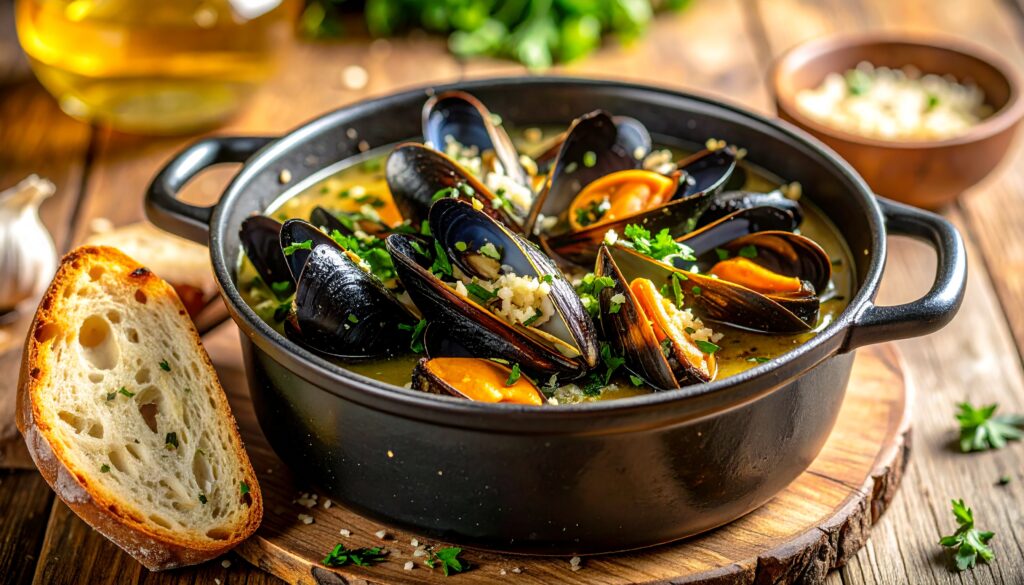
Buzara is a seafood dish that has long been enjoyed along the Adriatic coast.
Its origins are said to date back to the era when the Republic of Venice once ruled the region.
During the era when trade and fishing flourished, a style of cooking emerged from maritime kitchens and port town food cultures: simmering seafood with olive oil and white wine.
The word “buzara” is said to derive from the Venetian term buzzara (or busara), meaning “large pot” or “stew cooked aboard a ship.”
On the other hand, it is also regarded as a dish embodying the wisdom of fishermen, reflecting the concept of “creatively transforming simple ingredients into something delicious.”
The origins of buzara lie in fishermen's cuisine, where fresh shrimp and shellfish are quickly simmered with minimal seasoning.
It then spread to the Dalmatia region and the Istrian peninsula in Croatia, as well as the Slovenian coast, where slightly different styles emerged in each area.
Variations rich in regional character can be seen, such as “red buzara” with added tomatoes and “white buzara” that highlights the natural flavors of the ingredients.
Today, buzara has become established as one of the representative regional dishes of the Adriatic coast, enjoyed widely from home cooking to high-end restaurants.
A simple yet profound dish where the bounty of the sea and Mediterranean traditions come alive.
Fun Facts and Interesting Stories About Buzara
“Buzara” was a “cooking method.”
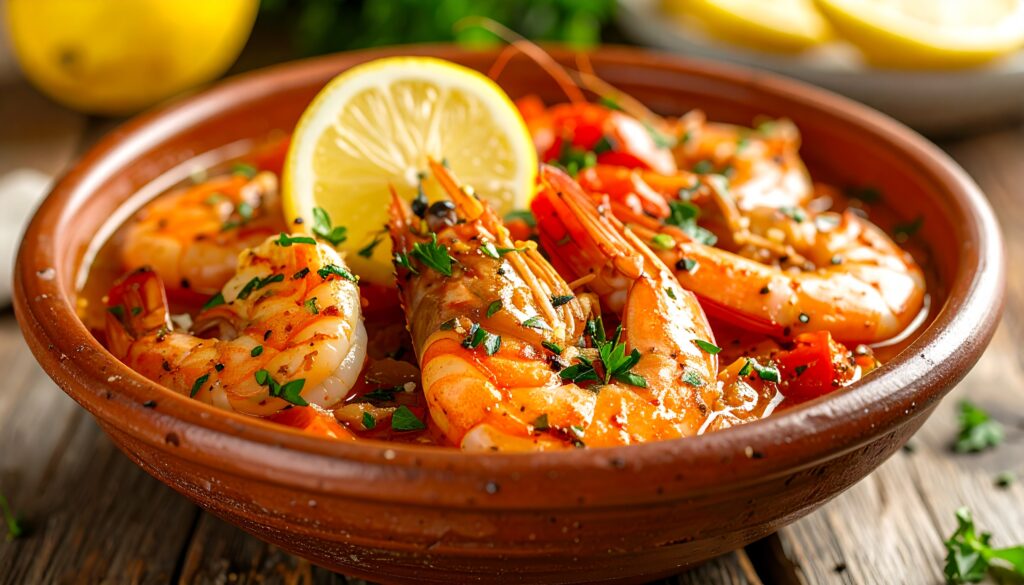
Actually, the term “buzara” refers more to a “cooking style” than to a specific dish name.
There's a saying, “Make it Buzara-style (na buzaru).” Whether it's mussels or shrimp, if you simmer them in olive oil and white wine, that's Buzara.
At local restaurants, it's common to see dishes labeled as “Mussels Buzara-style (Dagnje na buzaru)” or “Langoustines Buzara-style (Škampi na buzaru).”
Two Theories on the Etymology
There are various theories regarding the origin of the word “buzara.”
One theory suggests it originates from the Venetian word buzzara (meaning a large pot used on galleys).
Another theory suggests it originates from the Italian word busaria (meaning deception or trickery).
The latter also connects to a folk tale that “fishermen sold the expensive fish and ‘passed off’ the leftover scraps as cheap ingredients in their cooking.”
Red and White Buzara
There are two types of buzara: red buzara (crvena buzara), which uses tomatoes, and white buzara (bijela buzara), which does not.
The red sauce features the acidity and richness of tomatoes, evoking the flavors of Italian cuisine.
White wine, on the other hand, is said to offer an elegant finish that preserves the natural umami of the ingredients, bringing it closer to the simple flavors of the Croatian coast.
Bread is a “necessity”!
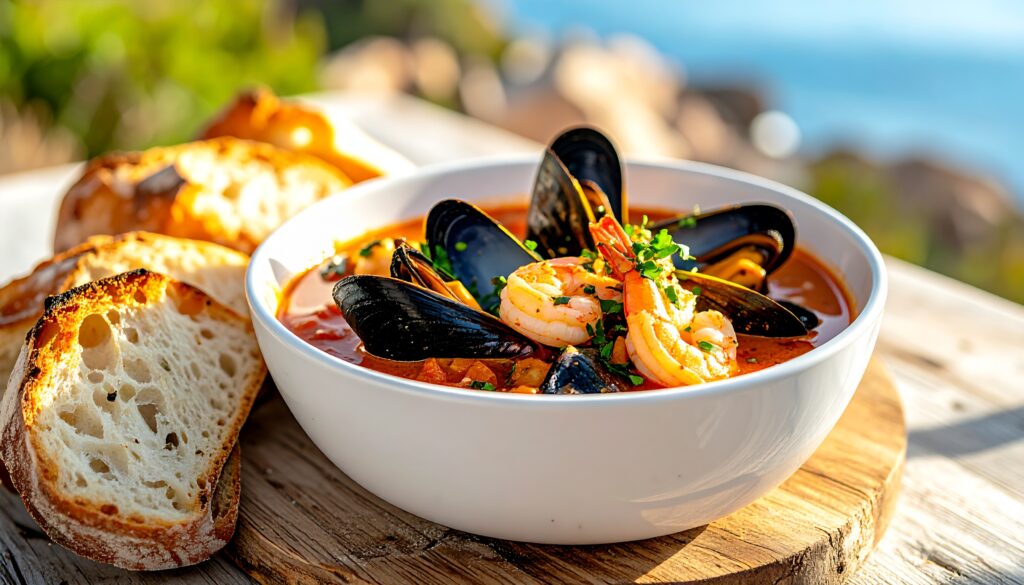
When eating buzara, it's standard practice to serve it with bread almost without exception.
The best way to enjoy it is by dipping bread into the soup-like sauce, and it's even said that “buzara isn't complete without bread.”
This popular way of eating among tourists is often served with homemade white bread at restaurants.
Non-Seafood “Unique Buzara”
While buzara is strongly associated with seafood, there are also dishes where mushrooms and vegetables are simmered in a buzara-style broth.
Particularly in inland areas, “mushroom busara-style” dishes using mountain-grown porcini mushrooms are well-known as home cooking.
In this way, Buzara has been passed down not only as a coastal dish but as the very essence of the Mediterranean stewing method itself.
How to Make Buzara
This recipe is based on the method for making “white buzara (bijela buzara).”
Adding tomatoes makes it “red buzara (crvena buzara).”
Ingredients (serves 2-3)
- Shrimp (with shells, such as long-armed shrimp) ... 500g
- Olive oil... 3 to 4 tablespoons
- Garlic... 2-3 cloves (minced)
- White wine...100ml
- Breadcrumbs... 2 tablespoons (for thickening the sauce)
- Parsley... 1 tablespoon (finely chopped)
- Salt... a pinch
- Black pepper... a pinch
- Lemon juice... to taste
※If you want a red Buzara,
・Tomato (ripe or canned whole tomatoes)・・・1 tomato or 3 to 4 tablespoons
Add.
How to make them
- Preparation
Wash the shrimp, pat them dry, and remove the vein along the back while leaving the shells on.
Finely chop the garlic and parsley. - Stir-fry
Heat olive oil in a pot or deep skillet, then lightly sauté the garlic to release its aroma.
Cook over medium heat to avoid burning. - Add shrimp
Add the shrimp and stir-fry until the oil coats them evenly and they begin to change color slightly. - Simmered in white wine
Add white wine and let the alcohol evaporate, then reduce the heat to low and simmer for 5 to 10 minutes.
The umami from the shrimp dissolves into the soup. - Finishing
Add breadcrumbs to thicken slightly, then season with salt and pepper.
Once the heat is turned off, add the parsley and lemon juice and stir to combine. - Plating
Serve while hot, and enjoy by dipping bread into the sauce.
When making a red buzara
After Step 3, simply add the tomatoes and stir-fry them together, then pour in the white wine and simmer.
The addition of tomato acidity creates a richer, more Mediterranean flavor.
Cooking Tips
- Dry white wines (e.g., Pinot Gris or Chardonnay) pair well with it.
- You can use mussels or clams instead of shrimp in the same recipe.
- Do not add too much breadcrumbs; just enough to achieve a light, creamy consistency.
Summary
How was it?
This time, we introduced buzhara, a beloved seafood dish along the Adriatic coast!
This dish features a distinct Mediterranean flavor and is especially recommended for seafood lovers or those seeking an exotic taste experience.
Another great thing is that you can enjoy various variations, including the red and white Buzara, both on land and at sea.
Now, as for places in Japan where you can eat buzara, it seems there aren't very many.
Since it's not very well known, it may not be listed on the menu.
Additionally, it may also be referred to by other names such as wine-steamed, ajillo, or tomato stew.
You may have to look for dishes with similar characteristics to buzara at Mediterranean restaurants or seafood restaurants.
Since that's a bit challenging, I also recommend making it using the recipe introduced above.
It's not difficult, and the ingredients are readily available, so you can enjoy exotic flavors at home anytime.
And since Buzara comes in a wide variety of colors, including red and white, I'm sure you'll enjoy finding the one that suits your taste.
Please give it a try and savor the experience!
Thank you for watching until the very end!
Feel free to check out our other articles too!


Comments