

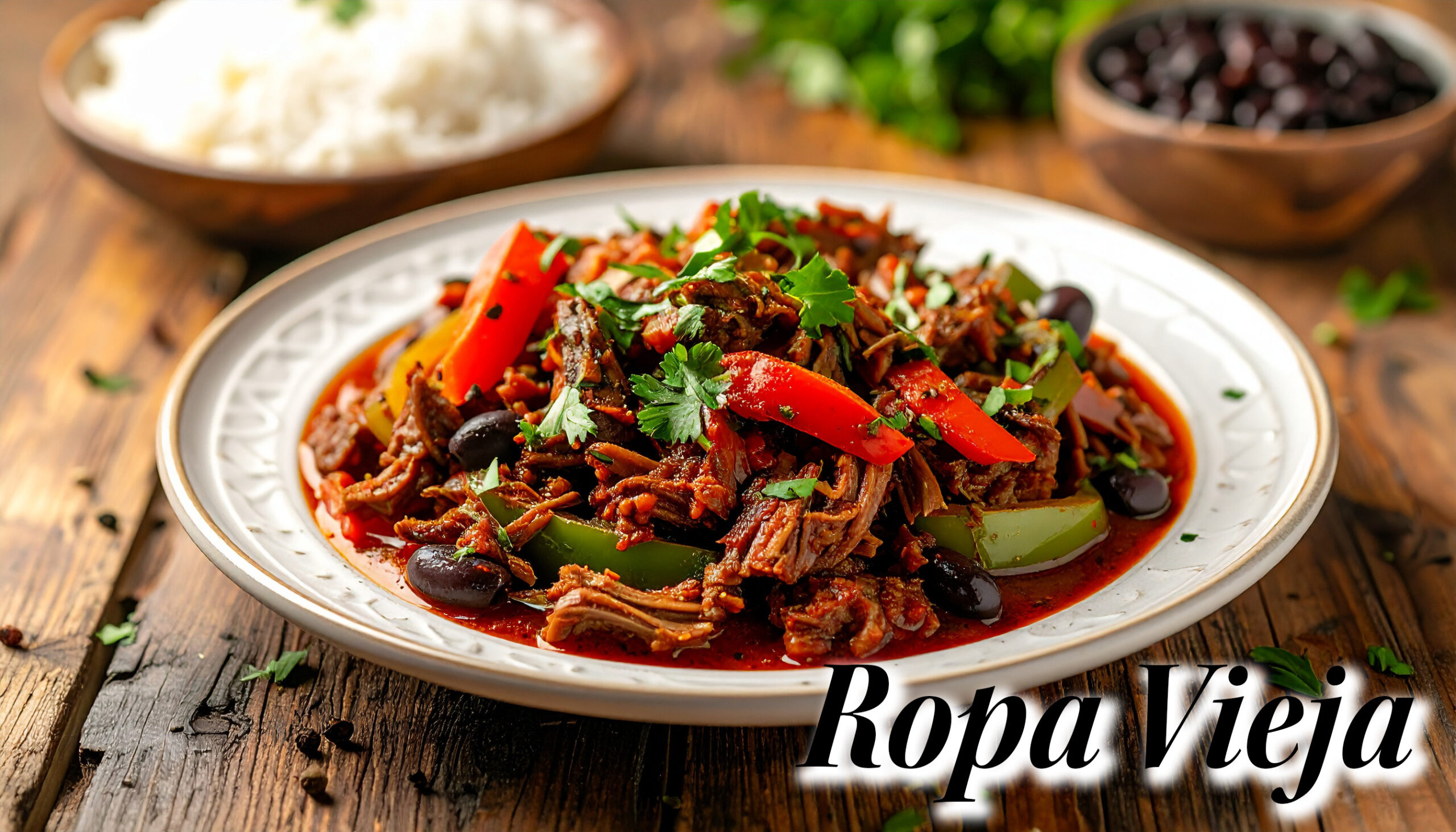
Have you heard of a dish called Ropi Vieja?
This dish is a traditional favorite primarily enjoyed in Cuba!
The rich flavor of the sauce, primarily made with beef and tomato sauce, is its appeal.
This time, we'll introduce the overview and history of Ropa Vieja!
Please enjoy it all the way to the end!
Also, for how to make Ropa Vieja, check out the URL below!
~Notice~
This site introduces cuisines from around the world and also features songs that express those dishes.
You can also listen on YouTube and various subscription services, so please give it a listen!
We've also started accepting requests for music production!
Perfect for personal use or in-store background music!
We offer a wide range of services, from existing dishes to original creations, so feel free to place your order anytime!
Click here for our guide page!
What is Lopa Vieja?
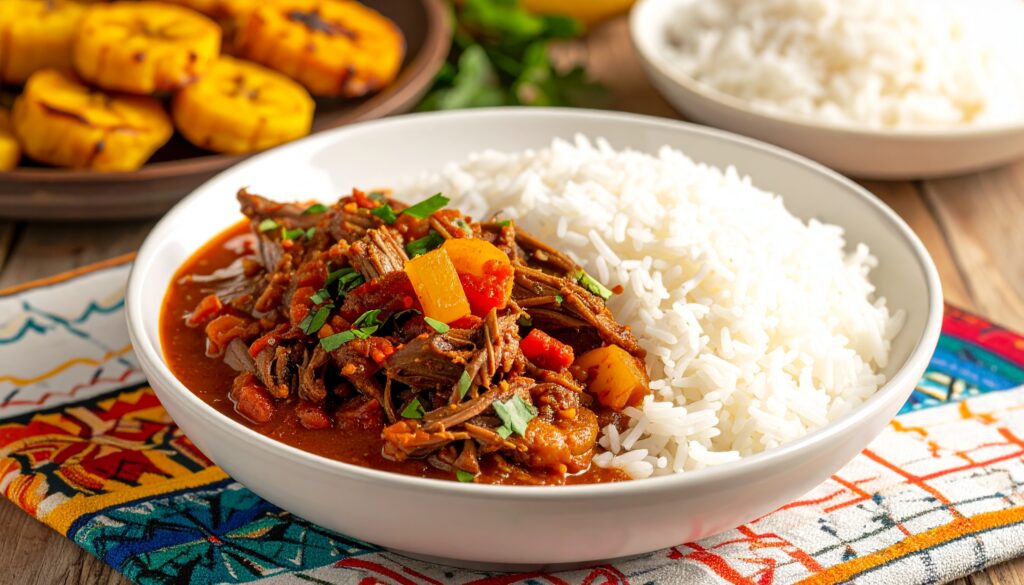
Ropa Vieja is a traditional Cuban dish.
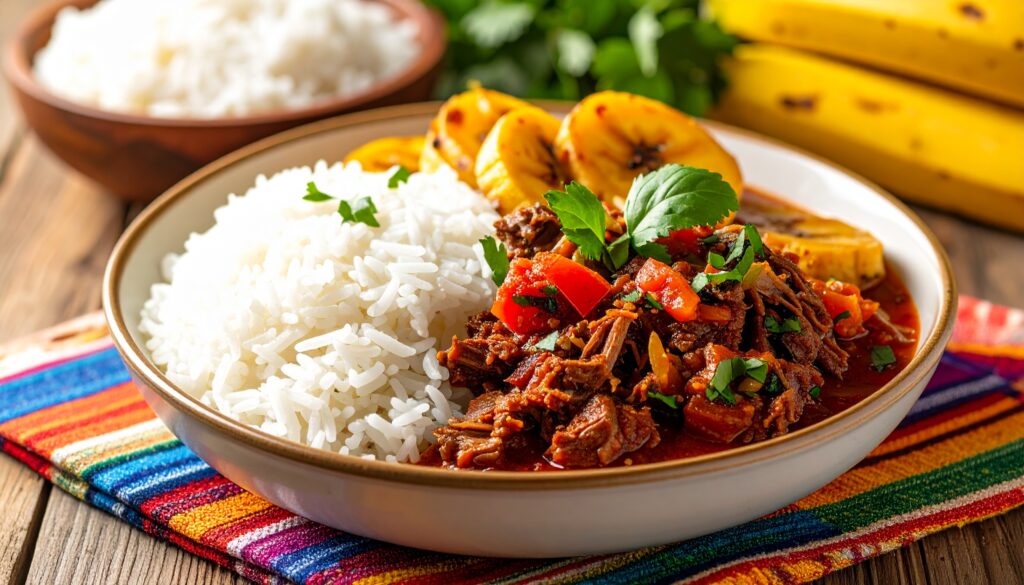
Finely shredded beef is simmered in tomato sauce and served with white rice, simmered black beans, fried bananas, and other accompaniments.
This dish combines the cheerful spiciness characteristic of Latin America with a gentle, home-style umami flavor.
Its flavor is rich, characterized by the deep, savory richness and aromatic depth of a tomato sauce base.
Ropa Vieja is a signature dish of Cuba, but it is also widely enjoyed throughout the Caribbean and Latin America.
- Canary Islands, Spain: There is a prototype dish that uses chickpeas.
- Puerto Rico: Characterized by the generous use of tomatoes and olives, with a tangy flavor and strong aroma.
- Venezuela: A similar dish is “Carne Mechada.”
It is also typically eaten with arepas.
The name originates from a Spanish word meaning “vintage clothing.”
It was named because the appearance of the thinly shredded meat resembles scraps of old fabric.
In Cuba itself, it is regarded as “Sunday home cooking” or “a special feast for special occasions.”
The History of Lopa Vieja
The origins of this dish are believed to be connected to the culinary traditions of the Sephardic Jews who resided on the Iberian Peninsula in Spain.
For example, in Judaism, there is a special day called the Sabbath (Shabbat) that is set aside once a week for rest and_ prayer.
On this day, Jews avoid “labor” such as work or using fire, spending time with family and engaging in worship.
Meals must also be prepared in advance.
Therefore, the custom of preparing stewed dishes the day before came about.
This is considered one of the origins of “long-simmered dishes” like Ropa Vieja.
Additionally, in Spain's Canary Islands, it is said there was a tradition of using leftovers from a stew called “cocido” to prepare another dish called “ropa vieja.”
In other words, its origins as a dish are believed to lie in Spain, with the Canary Islands being one of its places of origin.
Fun Facts and Interesting Stories About Lopa Vieja
A Mysterious Legend ― “The Story of the Father Who Boiled His Clothes”
Jewish folk tales remain in Lopa Vieja.
Long ago, a poor father, unable to provide food for his hungry family, lovingly prayed while simmering old clothes in a pot. It is said that they transformed into a real meat stew.
This story has been passed down as a symbol of faith and love.
There is also a theory that this legend is the origin of the dish name “Old Clothes (Ropa Vieja)”.
One of Cuba's national dishes
In Cuba, Ropa Vieja is known as “the national dish.”
It's a staple menu item at restaurants and is often prepared at home for special occasions.
In times when beef was scarce, it was sometimes made with goat or pork instead.
In Spain's Canary Islands, it's a different story.
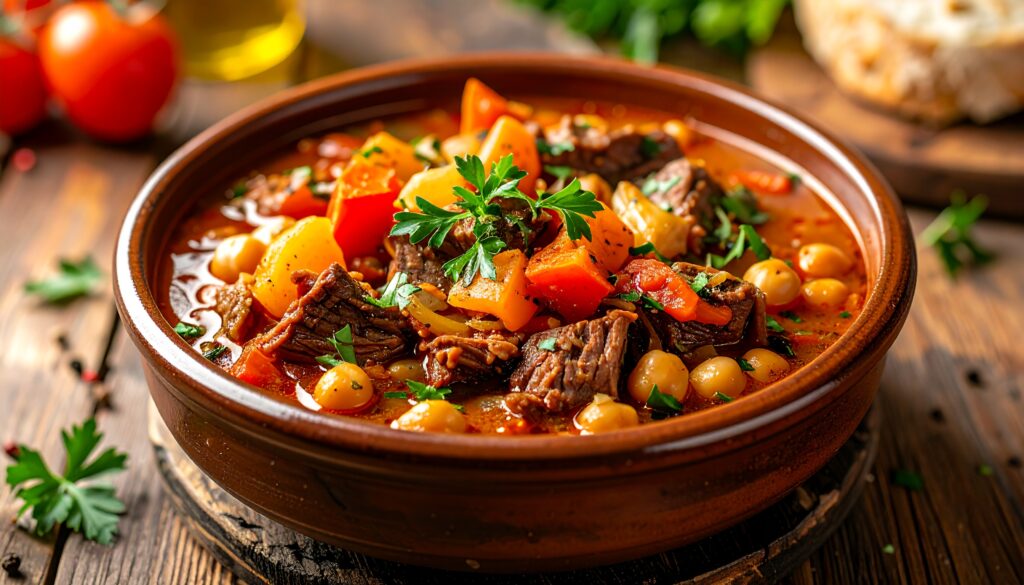
There is also a dish called “Ropa Vieja” in Spain's Canary Islands, where it is a stew containing chickpeas, potatoes, chicken, and_ other ingredients.
Even though the name is the same, the taste is quite different from the Cuban version.
In other words, while the name “Ropa Vieja” is widely used throughout the Spanish-speaking world, its contents vary by country.
Common features with stewed shredded meat dishes around the world
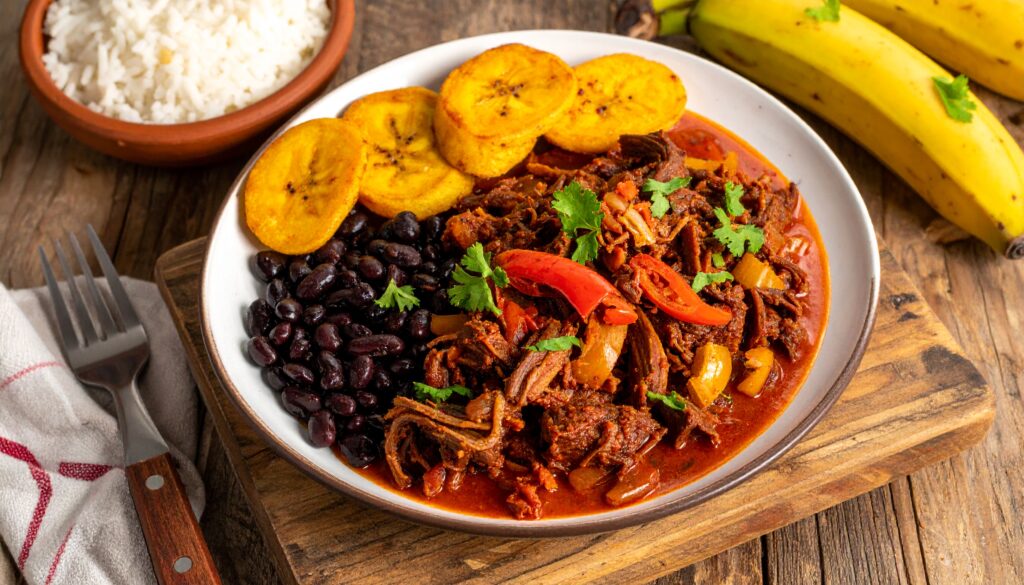
Ropa Vieja is also very similar to other “stewed shredded meat dishes” around the world.
For example:
- Carne Mechada from Venezuela
- Barbacoa in Mexico
- Southern-style Pulled Beef
Both share the common cooking method of “simmering thoroughly until the fibers separate,” reflecting cultural exchange.
Lopa Vieja Day
In fact, there is a movement within American and Cuban communities to celebrate March 8th as National Ropa Vieja Day.
This is not an official international day, but it sometimes becomes a topic of discussion on social media.
Summary
How was it?
This time, we introduced Ropa Vieja, a dish widely enjoyed throughout Cuba and beyond.
The rich umami from slow-cooked beef, the depth of tomato sauce, and the harmonious blend of spices create a simple yet profoundly satisfying flavor!
One of the charms of this dish is that its style varies slightly from country to country and region to region!
So, can you eat Ropa Vieja in Japan?
I did a quick search, and it seems to be served at Latin/Cuban restaurants.
However, it's relatively rare even within this genre, so some stores might not carry it.
Checking beforehand will help you eat smartly.
Thank you for watching until the very end!
Feel free to check out our other articles too!
Comments