

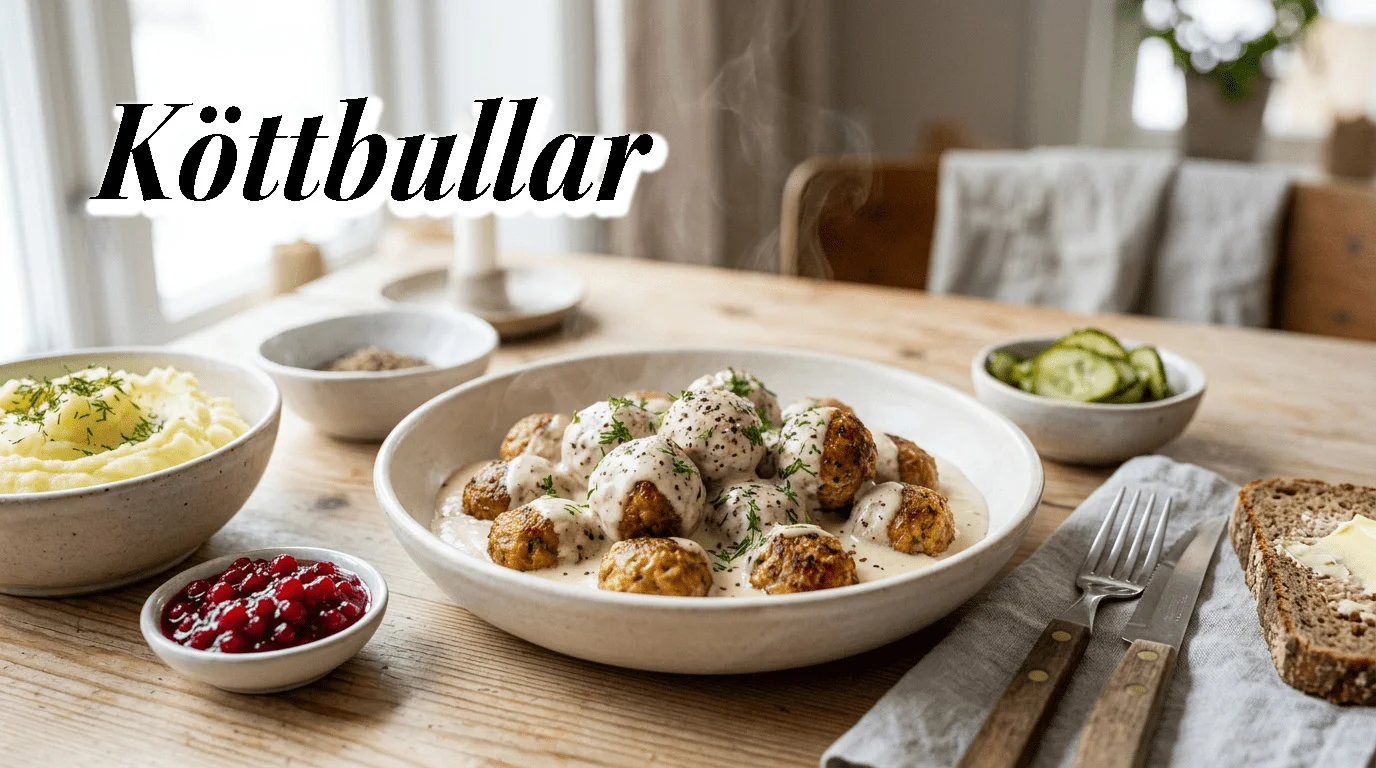
Have you ever heard of Köttbullar?
Although the name may not be familiar, “Köttbullar” refers to Swedish-style meatballs.
Meatballs are a popular dish in Japan too, but Köttbullar are something else entirely!
In this article, we’ll explore the appeal, flavor, and history of Köttbullar.
Please watch until the very end!
If you'd like to learn how to make Köttbullar, please check out the article below.
~Notice~
TasteTune is currently accepting requests for the creation of songs inspired by food and cooking!
We offer a wide range of plans to suit everything from personal use to in-store background music!
We offer a wide range of services, from existing dishes to original creations, so feel free to place your order anytime!
Click here for our guide page!
What kind of dish are Köttbullar?
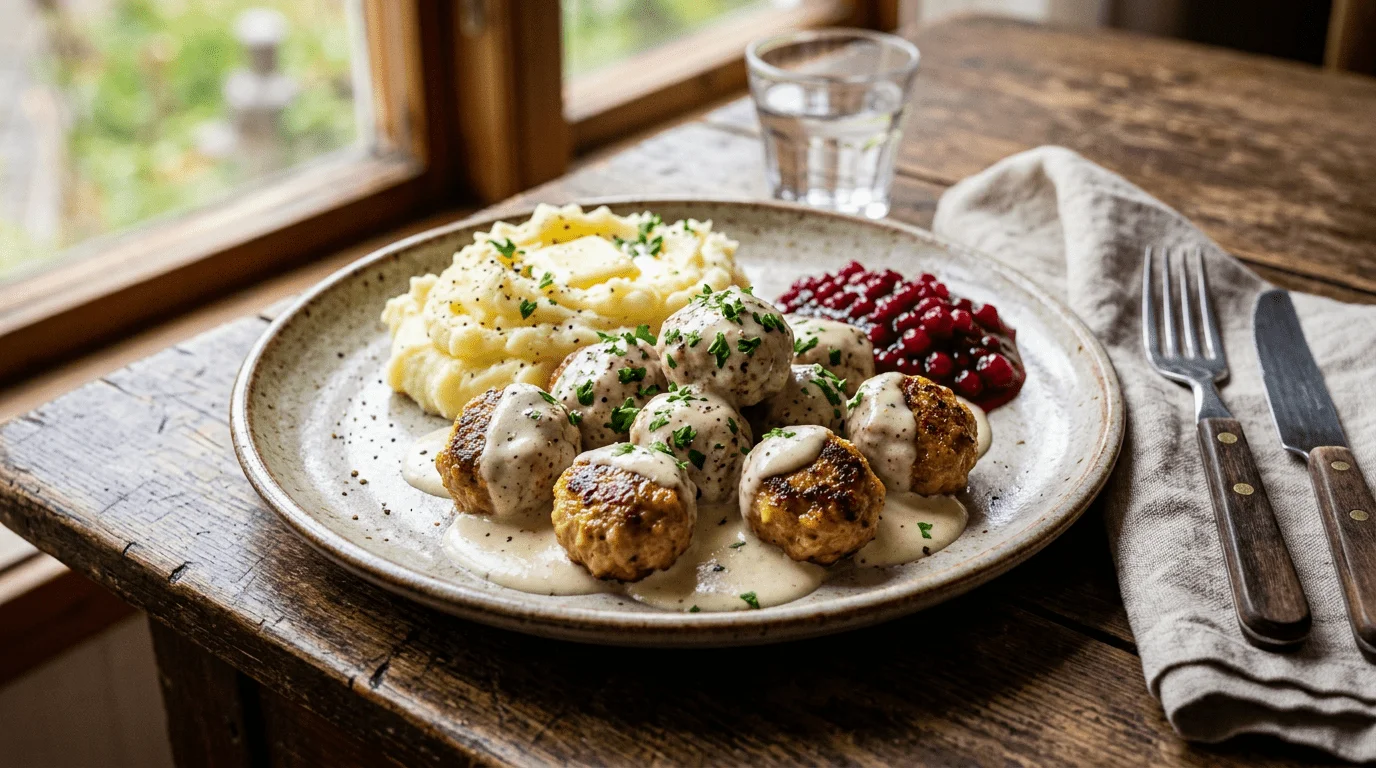
Köttbullar are Sweden's signature traditional meatballs.
Mix ground beef and pork with onions and various seasonings, shape into patties, and cook them in a frying pan.
At first glance, they look like ordinary meatballs.
However, Köttbullar have a characteristic that you don’t often find in other meatballs.
That means eating the fried meatballs with cream sauce or lingonberry jam.
Meatballs are typically served with tomato sauce or used in dishes like pasta.
So why are Köttbullar typically eaten with unusual combinations, such as a cream sauce?
The reason lies in the meat-eating culture of the Nordic countries, particularly Sweden.
Because of their cold climates, Nordic countries—including Sweden—have historically developed a strong dairy industry.
The dairy products, such as cream and butter, made from the milk obtained there are a valuable source of nutrition.
As a result, it naturally becomes a part of everyday cooking.
One dish that reflects this tradition is Köttbullar.
The taste of Köttbullar
Unlike other meatballs, these Köttbullar let you enjoy sweet, salty, and sour flavors all in one dish.
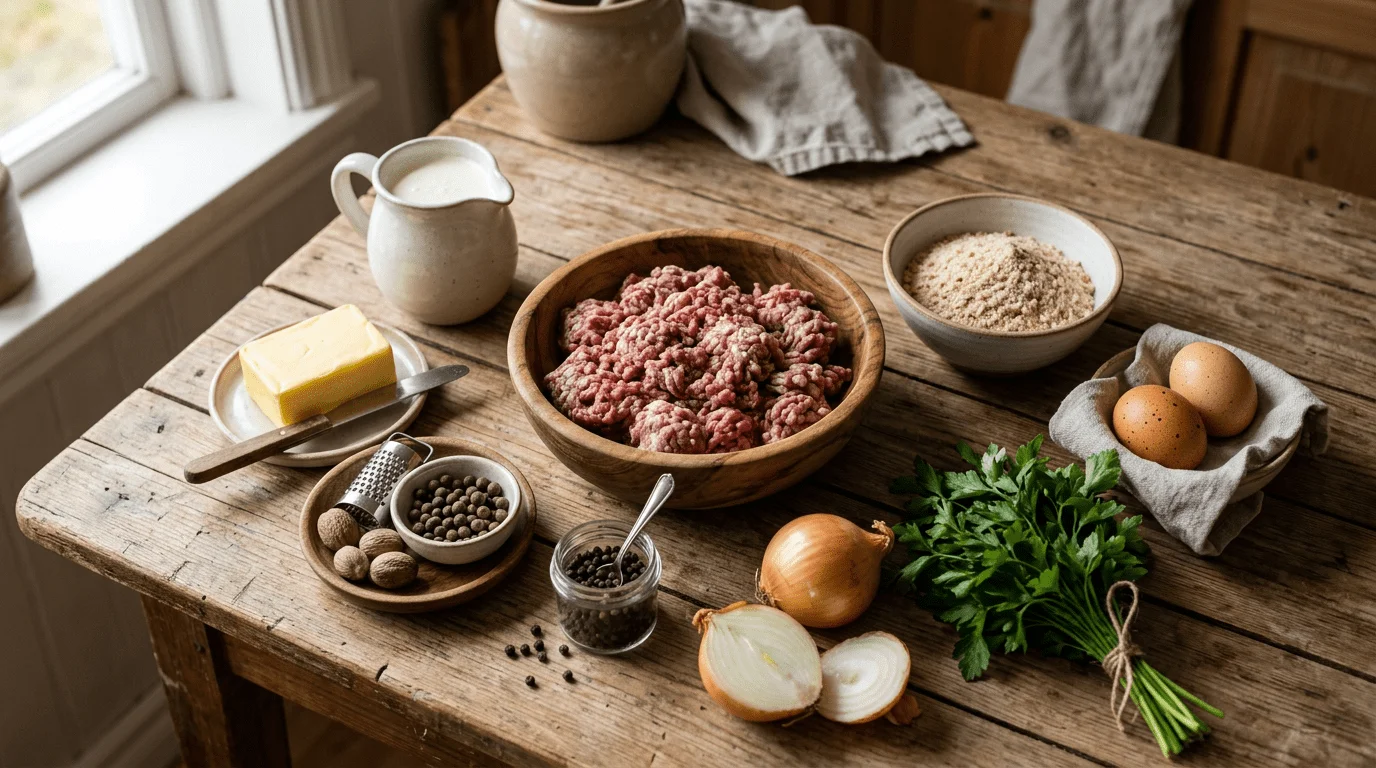
We use a blend of ground beef and ground pork.
This allows you to enjoy both the rich umami of the beef and the sweetness and juiciness of the pork.
In addition, adding breadcrumbs and milk gives it a fluffy texture similar to that of a Japanese hamburger steak.
The spices used include allspice, nutmeg, and white pepper.
With every bite, the rich flavor of the meat gives way to a subtle, sweet, and warm aroma that fills your mouth.
The texture is similar to that of a hamburger patty, but these spices give it an exotic flavor.
The cream sauce is made using the juices left over from cooking the meat, along with butter, flour, and heavy cream.
It’s not as heavy as a rich cream sauce, yet you can still enjoy the smoothness and rich aroma of butter and heavy cream.
In addition, by using the juices left in the pan after cooking the meat, you can fully savor the rich flavor of the meat.
And the one thing that’s always served alongside Köttbullar is lingonberry jam.
Lingonberries are the fruit of a shrub in the heath family, also known as the bilberry.
It has a tartness similar to cranberries, along with a subtle sweetness and astringency.
When eaten on its own, the meat can tend to be quite rich, but pairing it with this jam enhances its umami while lightening the heaviness of the sauce, leaving a refreshing aftertaste.
It is the interplay of these umami, acidity, aroma, and body that creates Köttbullar's unique flavor profile.
Origin of the Name
“Köttbullar” is Swedish for
- Kött = Meat
- Bullar = Ball (something round)
This is what it means.
A literal translation would be “Meatballs”.
By the way, “Köttbullar” is the plural form; the singular form is “Köttbulle.”
The History of Köttbullar
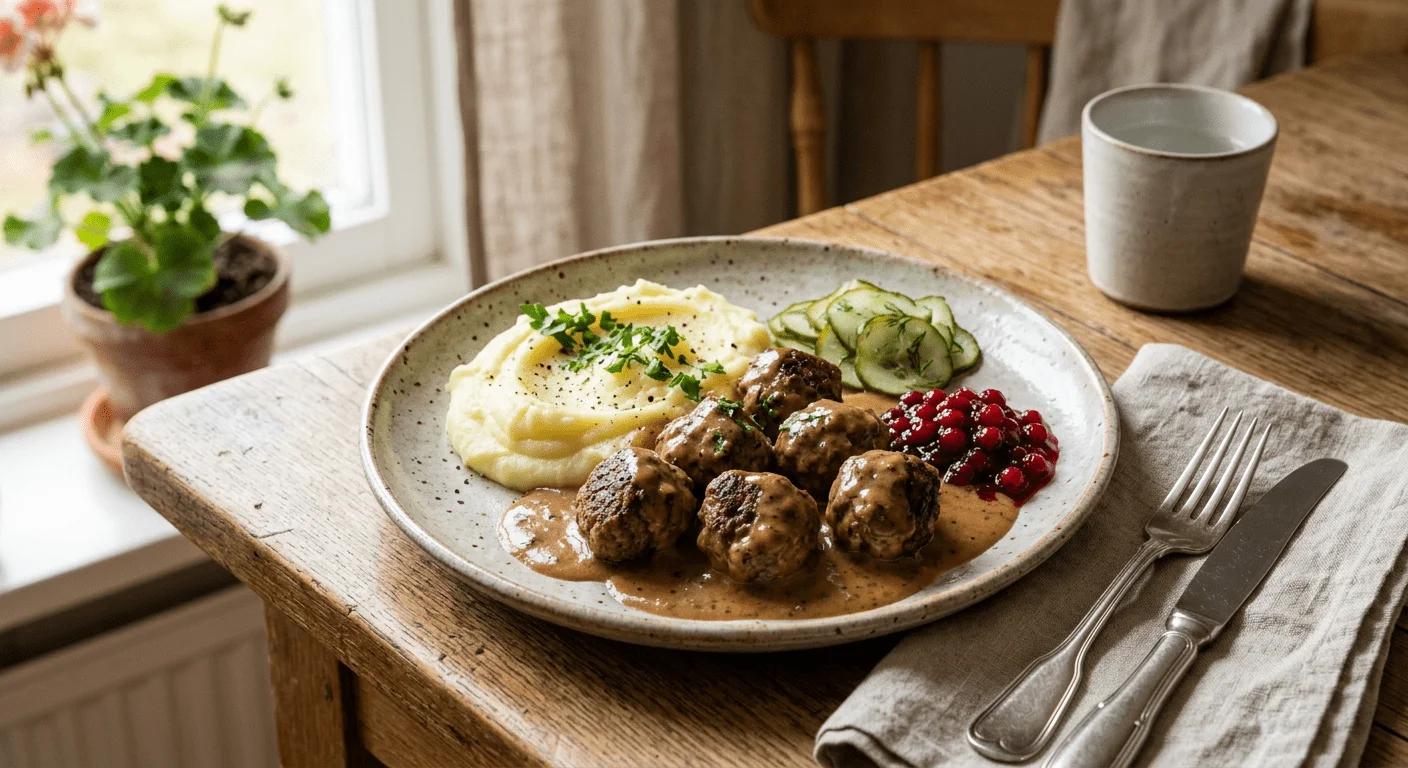
Today, Köttbullar are beloved as a quintessential Swedish dish.
However, there are several theories regarding its history, and it is closely linked to interactions with other countries.
The Birth of Meatballs
“Meatballs”—made by shaping minced meat into balls and_ frying them.
This cooking method is not limited to Sweden; it is believed to have existed since ancient times in various regions, including Europe and the Middle East.
For this reason, it is difficult to say that meatballs—the centerpiece of Köttbullar—originated and developed independently in Sweden.
In fact, some researchers studying Swedish culinary culture have pointed out that meatball dishes may have developed under the influence of French and Italian cuisine.
In the 18th century, in the Ottoman Empire
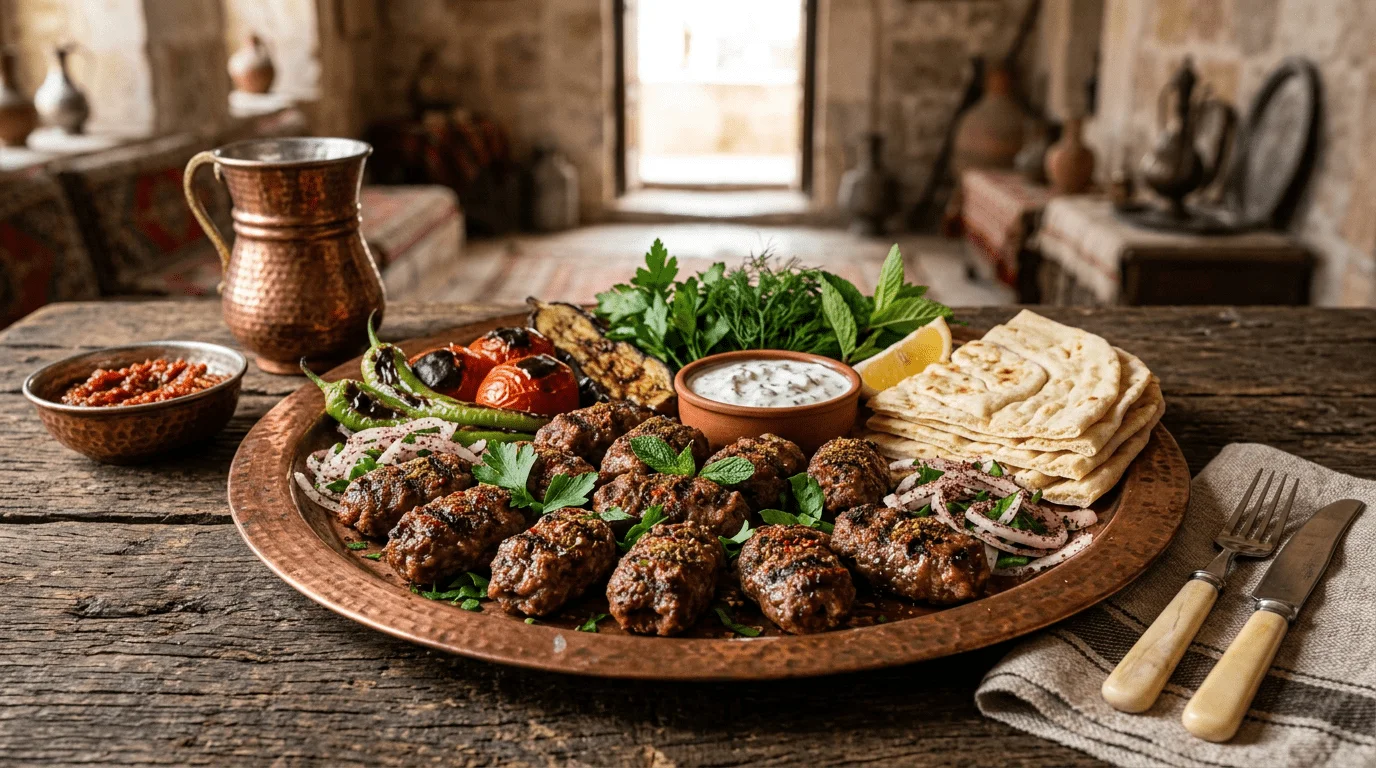
There is one theory that is widely accepted as the origin of Köttbullar.
This is a story about King Charles XII of Sweden.
In 1709, after being defeated in the war against Russia, Charles XII went into exile in the Ottoman Empire.
It is said that during his approximately five-year stay there, until his return to Japan, he immersed himself in the local food culture and brought back a recipe for the meatball dish “Köfte.”
In 2018, this theory became a major topic of discussion after the Swedish government officially endorsed it.
Köttbullar Recipe
The earliest and most definitive reference to Köttbullar appears in a cookbook by culinary researcher Kaisa Varg, published in 1954.
This cookbook includes a recipe for meatballs, which is the earliest known record of them.
In recipes from this era,
- Beef
- Veal
- lamb
and so on, so you can see that it differs slightly from the beef-and-pork ground meat that is currently the norm.
From Home Cooking to a National Dish
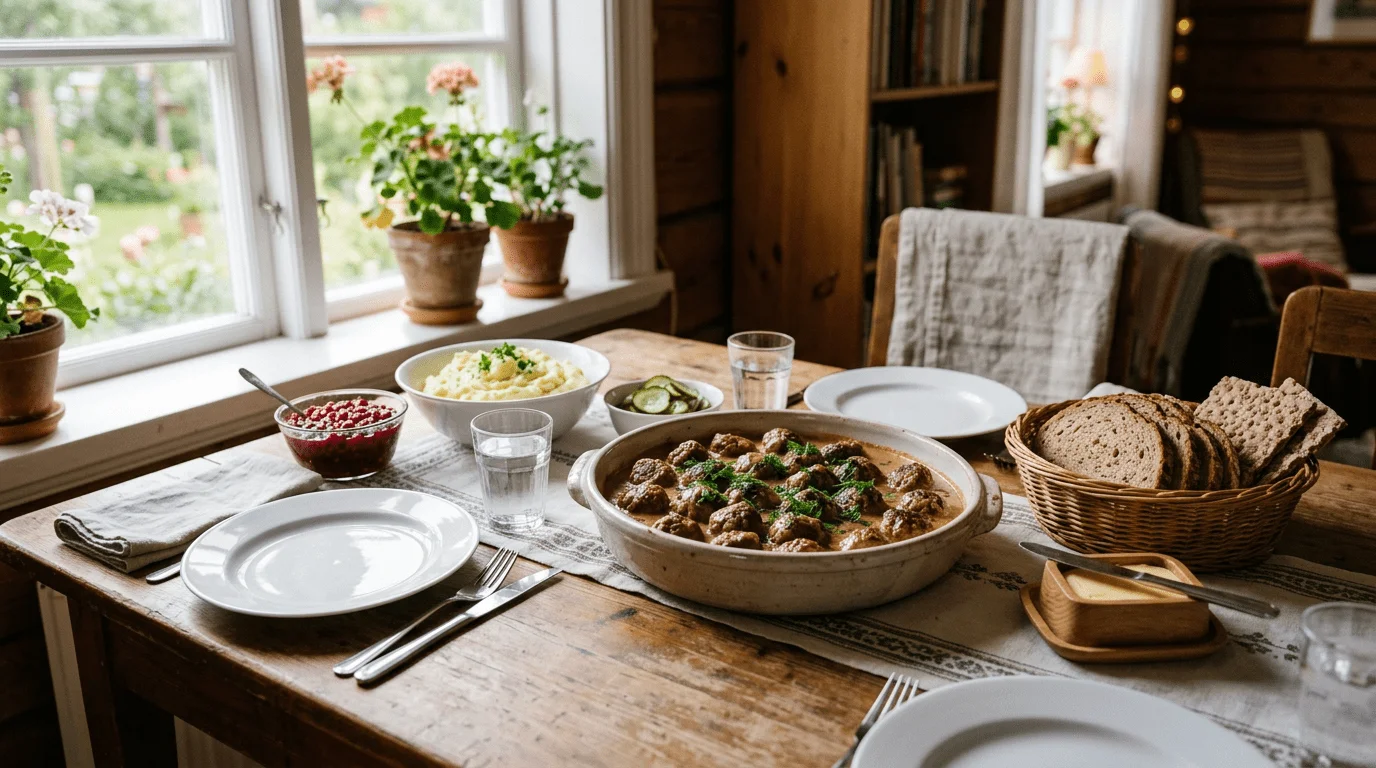
From the late 18th century through the 19th century, Köttbullar spread to households throughout Sweden.
As a result, the unique characteristics of the meat blends, spices, and sauces began to emerge, and each household developed its own recipes.
Around this time, the traditional Nordic way of serving it—paired with mashed potatoes, gravy, and lingonberry jam—also became established.
By the 20th century, Köttbullar had become a staple of home cooking, as well as restaurants, holidays, and smorgasbords.
A smörgåsbord is a traditional buffet-style meal originating in Sweden, where a variety of dishes are arranged on a table and guests help themselves.
Because they are small and easy to eat, they have established themselves as a “home-cooked favorite” enjoyed by people of all ages.
Nowadays, it is also famous for being served at IKEA restaurants.
Perhaps partly because of that, it has come to be known as one of Sweden’s world-famous dishes.
Summary
How was it?
In this article, we introduced “Köttbullar,” a Swedish meatball dish!
This dish offers a gentle flavor that harmonizes umami, richness, and a touch of acidity—a taste you won’t find in ordinary meatballs.
Since it’s a popular home-cooked dish in Sweden, it’s not that difficult to make at home.
Why not try enjoying some exotic flavors at home or_ at restaurants like IKEA?
Thank you for watching until the very end!
I hope I’ve managed to convey at least a little of Köttbullar’s charm!
Comments